

Industrial Gas Drying Solutions Draw on Activated Alumina, Molecular Sieves, And Silica Gel From JOOZEO
Drying Design Starts with Moisture Load And Pressure Dew Point
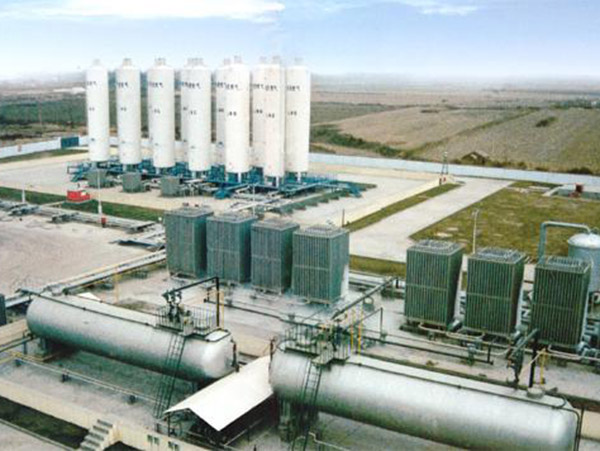
The fundamental error in industrial gas drying procurement is selecting a desiccant before fully quantifying the process environment. As air is compressed, its ability to hold moisture decreases significantly, causing water to condense and creating severe liquid and vapor loads for downstream equipment. Both the upfront physical separation units and the subsequent adsorption beds must be engineered collaboratively to handle this moisture burden and prevent premature bed saturation.
Consequently, robust drying design must begin with a rigorous analysis of the inlet gas, specifically quantifying water content, temperature, operating pressure, and flow rate. JOOZEO explicitly links its compressed air drying solutions to specific pressure dew points ranging from −20°C to −80°C, illustrating that material selection is entirely subordinate to the required drying depth. By anchoring the design process in exact water loads and strict dew-point targets, facilities can avoid the costly mistake of attempting to solve complex dehydration challenges by merely swapping out a generic desiccant name.
Activated Alumina Provides Capacity and Front-Layer Protection
In composite drying beds, activated alumina typically serves as the robust frontline defense, engineered to absorb the bulk of the initial water load and protect more sensitive downstream materials from liquid shock and concentrated humidity. JOOZEO positions its activated alumina portfolio across multiple roles, identifying it as a highly capable desiccant, a general adsorbent, and a catalyst carrier, with core applications firmly rooted in aggressive gas drying and purification.
For thermal regeneration systems, evaluating the energy requirements of the desiccant is crucial. According to technical FAQs, activated alumina generally requires a regeneration temperature between 160°C and 190°C, providing engineers with a clear starting point for assessing the heating capacity and overall energy consumption of the dryer. By deploying activated alumina for high-capacity moisture removal and front-layer protection, the system ensures that the subsequent, highly sensitive deep-drying materials operate within a controlled and stable moisture environment.
Molecular Sieves Extend Drying Toward Lower Dew Points
When a drying system must achieve exceptionally low dew points, molecular sieves are deployed to handle the residual moisture that bypasses the activated alumina layer. JOOZEO’s technical comparisons identify molecular sieves as possessing the fastest adsorption rate among the four common desiccant types, making them uniquely suited for the rapid removal of trace water vapor at the back end of a composite bed.
However, this aggressive deep-drying capability comes with stringent operational demands, as molecular sieves typically require significantly higher regeneration temperatures, generally between 200°C and 250°C. Facilities must carefully audit their dryer equipment to confirm whether the existing heating elements, cooling cycles, purge gas volumes, and switching sequences are capable of fully restoring the molecular sieve’s capacity. While molecular sieves are indispensable for pushing a system toward aggressive lower dew points, their value is only realized when perfectly matched with adequate thermal regeneration infrastructure.
Silica Alumina Gel Buffers High-Humidity Conditions
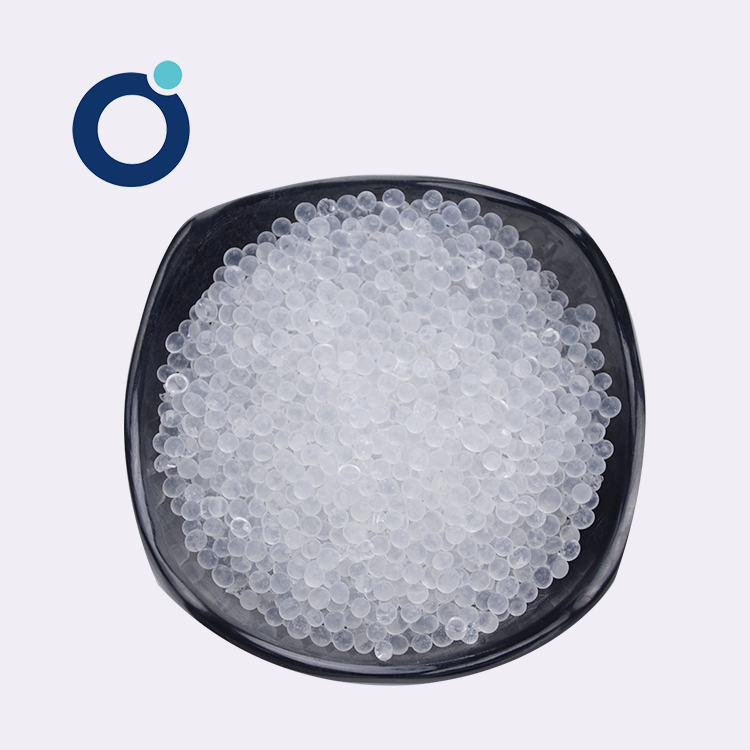
In environments plagued by fluctuating or consistently high relative humidity, standard desiccants can quickly become overwhelmed. Silica-alumina gel addresses this vulnerability by providing critical buffering capacity. The JZ-SAG formulation is specifically noted for delivering a 6–10% higher adsorption capacity under high-humidity conditions compared to standard fine-pored silica gel, making it a critical component for industrial dryers and specialized gas separators facing heavy moisture challenges.
When utilized in a composite bed alongside molecular sieves or activated alumina, silica-alumina gel acts as a highly effective upfront buffer. It absorbs the initial high-humidity shock, thereby reducing the instantaneous moisture load placed on the deeper, low-dew-point materials. This strategic distribution of the water load improves the overall functional division within the bed, stabilizing performance during demand spikes and prolonging the operational life of the more sensitive downstream desiccants.
Composite Beds Balance Capacity Dew Point and Regeneration
The optimal design of a composite drying bed requires layering materials in a specific sequence—typically prioritizing bulk capacity, followed by high-humidity buffering, and finishing with deep dehydration—while simultaneously integrating the differing regeneration temperature requirements into the system's control logic. JOOZEO’s application guidance for compressed air drying reflects this multi-material approach, presenting combinations involving the JZ-K series (activated alumina), JZ-ZMS series (molecular sieves), and dedicated silica gel products.
Engineers cannot simply rely on a fixed, generic formula for these beds. The exact proportion, loading sequence, and switching cycle must be precisely engineered based on the target dew point, the available regeneration method, the maximum allowable pressure drop, and the presence of any inlet contaminants. By deploying a strategically layered composite bed, facilities leverage the specific strengths of each adsorbent, ensuring efficient dehydration while maintaining strict verification of the equipment's physical operating limits.
JOOZEO Builds a Drying Review Around Operating Conditions
By insisting on detailed operational data, JOOZEO facilitates a rigorous technical review process for configuring combinations of activated alumina, molecular sieves, and silica-alumina gel. To initiate a project, procurement teams must submit specific details including gas flow rate, pressure, temperature, inlet moisture content, target pressure dew point, available regeneration heat source, cycle duration, and the allowable pressure drop. In return, they should expect corresponding model recommendations, Technical Data Sheets (TDS), and detailed loading and storage protocols. This structured exchange ensures that material selection is dictated entirely by verifiable engineering conditions. Procurement teams seeking to establish a resilient, multi-layered Industrial Gas Drying Solution can access detailed application guides and comprehensive product specifications by visiting the official website at https://www.joozeo.com/. By driving the material review process through precise operating parameters, JOOZEO ensures that capacity, required dew points, and regeneration demands are seamlessly integrated into a single, cohesive design.
Shanghai Jiuzhou Chemicals Co.,Ltd.
JOOZEO
email us here
Visit us on social media:
LinkedIn
Facebook
YouTube
Legal Disclaimer:
EIN Presswire provides this news content "as is" without warranty of any kind. We do not accept any responsibility or liability for the accuracy, content, images, videos, licenses, completeness, legality, or reliability of the information contained in this article. If you have any complaints or copyright issues related to this article, kindly contact the author above.
